
Consequences of Breaking Business Contracts
Ever had that sinking feeling when you realize you've bitten off more than you can chew in a business deal? Take it from me—I once knew a buddy who ran a quirky little tech startup. He promised the moon to a client, signed on the dotted line, and then hit a snag that made him back out faster than a cat dodging a bath. What followed was a whirlwind of headaches that taught us both a lesson about the wild world of commercial law. Today, we're diving into the consequences of breaking business contracts, because let's face it, nobody wants their enterprise turning into a cautionary tale.
The consequences of breaking business contracts can range from hefty fines to shattered reputations, often leaving companies scrambling to pick up the pieces. At its core, breaching a contract means failing to uphold your end of the bargain, which in the realm of commercial law, is like kicking over a Jenga tower—everything comes tumbling down. This usually starts with the innocent party crying foul, demanding compensation for losses, and potentially dragging things into court. Think of it as the business equivalent of ghosting someone on a date; it might feel relieving in the moment, but the fallout can be brutal.
The Basics of a Breach in Commercial Law
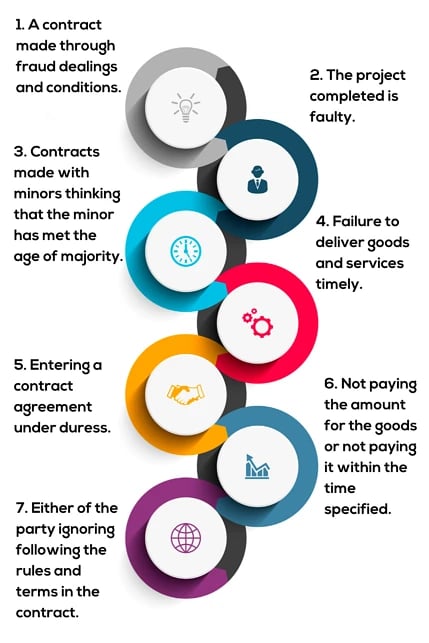
In the tangled web of business agreements, a breach isn't just a slip-up—it's a full-on violation of the terms you've committed to. Whether it's delivering goods late, not paying on time, or completely walking away, commercial law views these as serious missteps. Picture it like breaking a promise to your grandma; she might forgive you, but the law? Not so much. Common types include material breaches, where the core of the deal is wrecked, and minor ones that might slide with some adjustments. According to legal experts, about 60% of contract disputes in business stem from these everyday oversights, highlighting how crucial it is to dot your i's and cross your t's.
From a relaxed perspective, it's all about maintaining that trust handshake. I've seen memes online comparing contract breaches to that viral video of a wedding cake collapsing—spectacularly messy and hard to forget. In commercial law, this often triggers remedies like specific performance, where you're forced to fulfill the original agreement, or even rescission, wiping the slate clean but not without costs. The key is understanding that every contract is governed by laws like the Uniform Commercial Code in the U.S., which sets the stage for how these breaches play out across states and borders.
Core Features of Non-Disclosure PactsFinancial Hits That Sting
When you break a business contract, the wallet takes the first punch. Expect compensatory damages, where the other side tallies up their losses and sends you the bill—think lost profits, extra expenses, and sometimes even punitive damages if your breach was downright reckless. For instance, if you're a supplier who fails to deliver, the buyer might sue for the difference in market price, turning a simple deal into a financial fiasco. It's like gambling and losing big; one bad move, and you're covering not just your losses but theirs too.
Then there's the indirect fallout, like interest on late payments or legal fees that pile up faster than unread emails. In my friend's case, that startup ended up forking over thousands in settlements, which nearly sank the whole operation. Commercial law doesn't mess around here—courts aim to put the injured party back in their original position, making breaches a costly lesson in responsibility. To keep it light, imagine your bank account doing a dramatic dive like in those old cartoons; it's funny until it's your money vanishing.
Reputation and Relationship Wreckage
Beyond the dollars, breaking contracts can tarnish your business's good name faster than a bad review on social media. In the interconnected world of commerce, word spreads like wildfire—potential partners might think twice before trusting you, turning your network into a ghost town. It's akin to that cultural reference from "The Office," where Michael Scott's blunders make everyone wary; in real life, a breach can label you as unreliable, affecting future deals and even customer loyalty.
Commercially, this relational damage often leads to strained partnerships or lost opportunities, as trust is the glue holding deals together. A 2023 survey by the American Bar Association noted that over 70% of businesses consider reputation when entering contracts, underscoring how a single breach can echo for years. From a relaxed viewpoint, it's like burning bridges in a small town—everyone knows, and no one forgets. But hey, with some humble apologies and solid follow-through, you might rebuild; it's not impossible, just requires effort.
Workforce Laws in Commercial Operations| Type of Breach | Immediate Consequence | Long-Term Impact |
|---|---|---|
| Material Breach (e.g., not delivering goods) | Potential lawsuits and full contract termination | Lost business relationships and market share |
| Minor Breach (e.g., late delivery) | Partial damages or contract adjustment | Strained ties that could escalate if repeated |
| Anticipatory Breach (indicating future non-compliance) | Early legal action to mitigate losses | Reputation damage and preventive measures by others |
Once a breach hits, the legal machinery kicks in, often starting with a demand letter and escalating to arbitration or court. In commercial law, options like mediation can keep things civil, avoiding the drama of a full trial. It's like choosing therapy over a public feud—smarter and less exhausting. Courts might enforce injunctions or award specific performance, especially for unique goods, ensuring the breach doesn't leave lasting scars.
To wrap up the exploration, remember that dodging these consequences starts with clear communication and solid contracts. It's not about fearing every deal but respecting the commitments that keep business humming.
FAQ
What qualifies as a breach of contract in business? A breach occurs when one party fails to meet the terms, like not paying or delivering as agreed. In commercial law, it must be substantial to warrant action, often leading to remedies like damages.
How can businesses avoid these consequences? By drafting precise contracts, maintaining open dialogue, and having contingency plans. Regular reviews and legal advice can prevent misunderstandings from snowballing.
Process for Company MergersIs every breach taken to court? Not always—many are resolved through negotiation or alternative dispute resolution, saving time and resources while preserving relationships.
As we part ways on this topic, ponder this: What's one step you can take today to fortify your next business agreement? It might just save you from a world of regret.
Si quieres conocer otros artículos parecidos a Consequences of Breaking Business Contracts puedes visitar la categoría Derecho Mercantil.
Entradas Relacionadas