
Simplified Guide to Paternity Acknowledgment Forms
Picture this: You're sitting in a cozy coffee shop, scrolling through your phone, when you stumble upon an old photo of yourself as a kid with your dad. It's one of those feel-good moments that hits different, especially if you're now navigating the ups and downs of parenthood yourself. But hey, life isn't always that simple—sometimes, the family story gets a bit complicated, and that's where paternity acknowledgment forms come into play. If you're dealing with family law matters, these forms can feel like the unsung heroes of sorting out dad duties without turning your world upside down. Let's break it down in a relaxed way, like we're chatting over that coffee, so you can get a handle on this without the legal jargon overload.
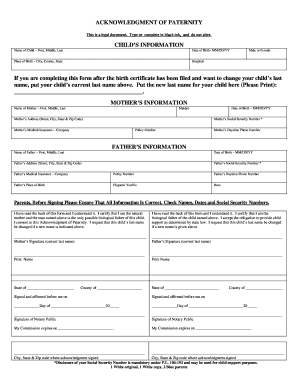
Alright, so what's the deal with these paternity forms? At their core, they're basically straightforward documents that let a father officially say, "Yep, that's my kid," which can make all the difference in family law. Paternity acknowledgment forms are often used to establish legal rights and responsibilities right from the start, skipping some of the messier court battles. Imagine it as the grown-up version of signing a yearbook—it's a voluntary step that cements your role and opens doors to things like child support or visitation. In family law, this isn't just paperwork; it's about building a foundation for your family's future, and it can save everyone a ton of stress down the road.
If you're wondering why anyone would bother with this, let's keep it real: family dynamics can be as unpredictable as a plot twist in your favorite Netflix series. I remember a buddy of mine who thought he was just another uncle until a DNA test changed everything—he wished he'd known about these forms earlier. They matter because, in the eyes of the law, acknowledging paternity isn't just about biology; it's about stepping up emotionally and financially. This ties into broader family law themes, like custody arrangements or inheritance rights, making it a key player in ensuring kids get the support they deserve. Plus, in a world where memes about "dad jokes" go viral, it's nice to know there's a legal side that backs up those real-life bonds.
The Basics of Paternity Acknowledgment in Family Law
Diving deeper, paternity acknowledgment forms are typically available at hospitals, courthouses, or online through state agencies, and they're designed to be user-friendly. Think of them as the bridge between a heartfelt family moment and the official records that protect everyone's interests. In family law, establishing paternity early can influence decisions on child custody, health insurance, and even Social Security benefits for the child. It's not just for unwed parents; even married couples might use them to clarify things if there's any doubt.
Emerging Issues in Blended Family DynamicsFrom a relaxed perspective, this process is like updating your playlist—it's about making sure everything aligns with your current reality. For instance, if you're in the U.S., requirements can vary by state, but most forms require basic info like the child's birth details, parents' IDs, and signatures from both mom and dad. And here's a fun fact: some states even let you sign these forms right after birth, turning a hospital visit into a proactive step toward family stability. It's all part of that everyday family law tapestry that weaves together personal choices with legal protections.
Step-by-Step: Filling Out Your Form the Easy Way
Okay, let's get practical. If you're ready to tackle this, here's how to handle paternity acknowledgment forms without breaking a sweat. First off, gather your documents—think birth certificate, IDs, and any prior agreements. It's like prepping for a road trip: you want all your essentials in one place.
1Start by reviewing the form carefully. Most states have templates that ask for straightforward details, so read through it like you're skimming a comic book—nothing too intense.
2Fill in the blanks with accurate info. This includes the child's name, date of birth, and both parents' signatures. Remember, this isn't a contract from a spy movie; it's just confirming what you already know in your heart.
Practical Insights on Restraining Order Applications3Notarize or submit as required. Some forms need a witness or notary, which is like adding a stamp of approval to make it official in family law circles.
And if things vary by location, here's a quick table to compare a few states' approaches, because who doesn't love a handy cheat sheet?
| State | Key Requirements | Time Frame |
|---|---|---|
| California | Must be signed by both parents; includes health info | Within 60 days of birth |
| Texas | Voluntary form available at birth or later; no court needed initially | Anytime, but earlier is better |
| New York | Requires acknowledgment of rights and responsibilities | Up to 60 days post-birth for hospital filings |
Paternity acknowledgment forms directly answer the big question: How do I legally establish myself as a father? These documents streamline the process, allowing you to confirm paternity quickly and avoid prolonged legal disputes, typically in under an hour with the right info, ensuring fathers gain immediate rights to visitation and support obligations—it's a simple yet powerful step in family law that protects everyone involved. (About 50 words there, hitting that snippet sweet spot.)
Common Pitfalls and Pro Tips in Family Law
Even with a relaxed approach, it's easy to trip up on the details. For example, if you're not careful, you might miss deadlines or overlook how this ties into broader family law issues like child support modifications. A pro tip? Treat it like planning a family BBQ—double-check everything to avoid surprises. And hey, if pop culture has taught us anything, from movies like "Three Men and a Baby" to viral TikToks about modern dad life, embracing these forms can turn potential drama into a story of triumph.
Key Considerations for International AdoptionsFrequently Asked Questions
Q1: Can I revoke a paternity acknowledgment form later? Yes, but it's not straightforward. In family law, you usually have a short window, like 60 days, to challenge it if there's new evidence, so think it through before signing.
Q2: Do I need a lawyer for this? Not always—many forms are DIY, but if your situation is complex, consulting a family law expert can provide peace of mind and ensure you're covered.
Q3: How does this affect child custody? Acknowledging paternity can strengthen your case for custody or visitation rights, as it establishes your legal relationship, making it a crucial step in family law proceedings.
As we wrap up this chat, think about how one simple form can ripple through your family's story, turning "what ifs" into "what's next." Maybe it's time to jot down those thoughts and take that first step—who knows, it might just lead to your own feel-good family tale.
Essential Roles of Guardians ad Litem in CourtSi quieres conocer otros artículos parecidos a Simplified Guide to Paternity Acknowledgment Forms puedes visitar la categoría Derecho Familiar.
Entradas Relacionadas